
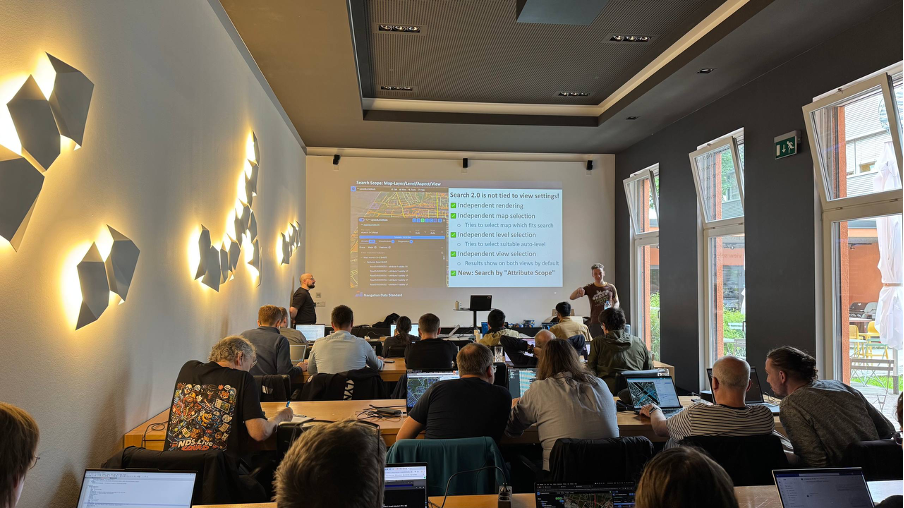
On June 10–11, the NDS community came together in Groebenzell, Germany, for NDS Tooling Days 2026 – two days dedicated entirely to the tools, workflows, and people that bring the NDS map data standard to life.
NDS.Live is the cloud-native evolution of the Navigation Data Standard, the most widely adopted automotive map data standard in the industry. But a standard is only as strong as the tooling around it. Tooling Days exists to put that tooling front and center: not slides about what is possible, but hands-on sessions where participants build, validate, visualize and analyze real map data side by side with the people who develop the tools.
This year’s edition packed keynotes, deep-dive updates and full afternoon workshops into two days and wrapped the first evening around a barbecue, video games and the kind of open conversation that only happens when the community is at one location.
After Registration & Welcome, the first day opened with a keynote that set the tone for the whole event: “NDS.Live in the Age of Agents”. With AI agents increasingly mediating how software consumes and reasons about data, the keynote framed the central question for the community – what does a map data standard and tools need to look like when its consumers are no longer only humans and traditional clients, but autonomous agents as well? It also brought a concrete first step: the release of `ndslive-mcp`, an MCP server that lets AI assistants search and reason over the NDS.Live specification directly. Instead of pasting schema snippets or guessing, an agent can now ground its work in the actual spec.
From there the day moved into the technical core. The zserio session covered the latest updates and future developments of the serialization framework that underpins NDS data. The SQLite News & FAQ session that followed was a particular highlight: it was given by Richard Hipp, the creator of SQLite, who addressed the practical questions teams run into when working with NDS data in SQLite.
The afternoon turned hands-on. A short “Build a test map in minutes” workshop intro led into the full session – building a working test map from scratch using the NDS.Live Python SDK, QGIS and OpenStreetMap data. It is one thing to read about how the pieces fit together; it is another to have a map in front of you within minutes of starting.
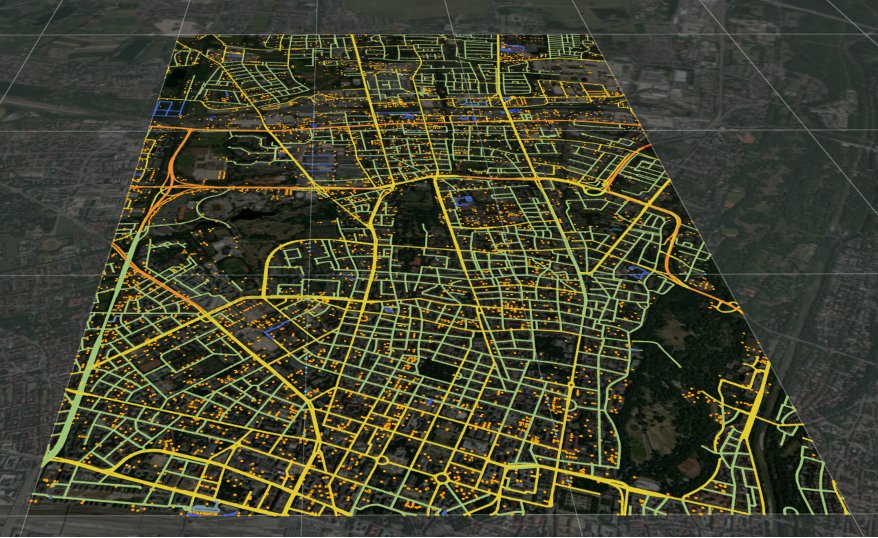
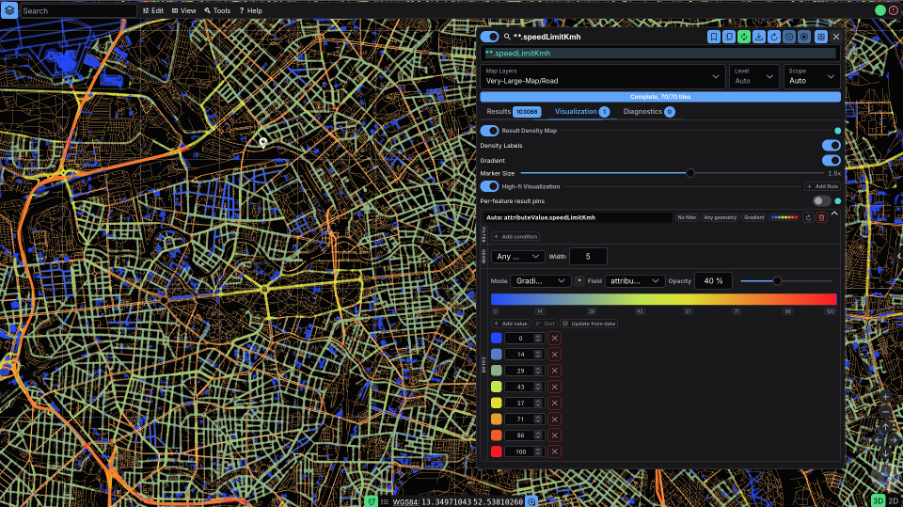
Day two was built around analysis and validation. The morning’s Map Viewer – Advanced Analysis workshop ran across two sessions, diving deep into search and styling. A standout was the brand-new enhanced search, which supports running multiple searches at once, custom styling of search results, and searches at the attribute level – for example, finding stretches of a given speed limit along roads – letting participants get far more out of visual map exploration.
The Certification Kit – Validate and Visualize sessions came in two parts. First, an overview of the Certification Kititself – how it checks map data against the standard. Second, a demonstration of how the validation results it produces can be surfaced directly in the Map Viewer, closing the loop between producing data and trusting it.
In the afternoon, Large Scale Map Data Analysis put the NDS.Live GeoJSON exporter to work – bridging NDS.Live data into the broader geospatial ecosystem and demonstrating how large map datasets can be analyzed with familiar open-source tooling.
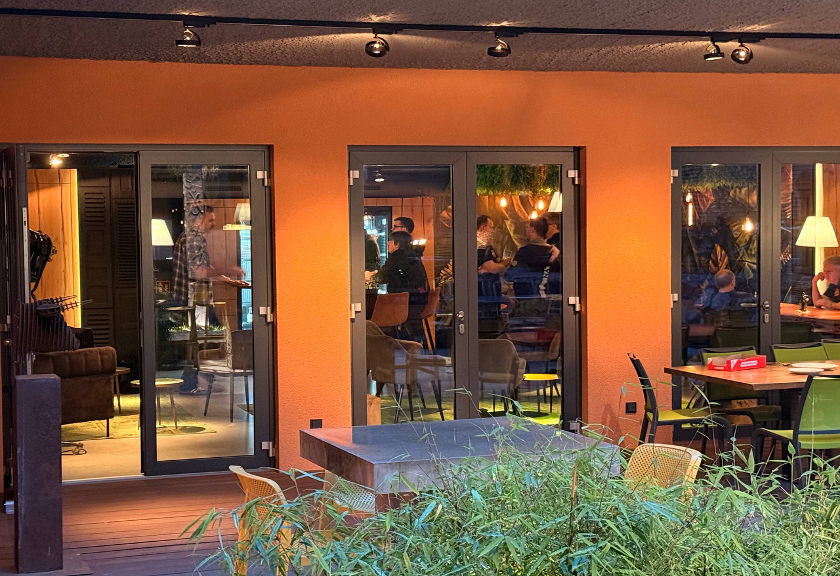
The schedule was full, but some of the most valuable moments happened away from the laptops. The first day closed with an evening event – a barbecue, video games and relaxed, wide-ranging conversation. It is in these unstructured hours that the real exchange happens: comparing notes on workflows, swapping war stories, and talking openly about NDS tooling.
If one theme connected the two days, it was momentum. From agents reshaping how data is consumed, to a maturing toolchain spanning the Python SDK, Map Viewer, Certification Kit and the GeoJSON exporter, NDS tooling is moving fast – and it is moving in step with a community that clearly wants to build with it, not just around it.
Thank you to everyone who joined us in Groebenzell. The ideas, feedback and conversations from these two days feed directly into what comes next.
Want to explore the tools behind Tooling Days? Visit nds.live for an overview of the NDS.Live platform, or head directly to the NDS.Live Developer Portal to try the SDK, APIs and tooling for yourself.
Back to news →