
Modern automotive development increasingly relies on the seamless interplay between two data worlds: ASAM OpenDRIVE, the de-facto standard for static road networks in simulation environments, and NDS.Live, the cloud-native map data standard for navigation, ADAS, and automated driving.
Teams across the industry frequently need both map data formats to work together: high-precision simulated test networks that match production map data, and production-grade maps that incorporate simulation insights. Until now, bridging these worlds required significant manual effort and custom tooling.

The NDS Association has released the first production version of a bidirectional OpenDRIVE ↔ NDS.Live converter, a robust, specification-aware translation tool that allows engineering teams to move data back and forth with confidence, precision, and repeatability.
The NDS → OpenDRIVE converter enables NDS-formatted map data to be transcoded into OpenDRIVE and vice versa, supporting the simulation and validation activities of NDS members. The latest version of the converter was also presented at the ASAM Regional Meeting in China, where NDS highlighted its role in ensuring consistent map data across simulation and vehicle environments.
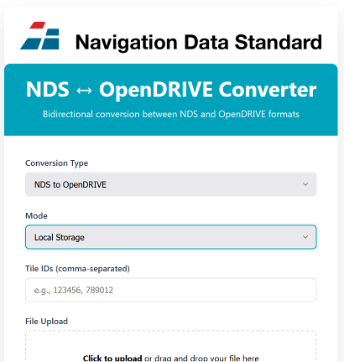
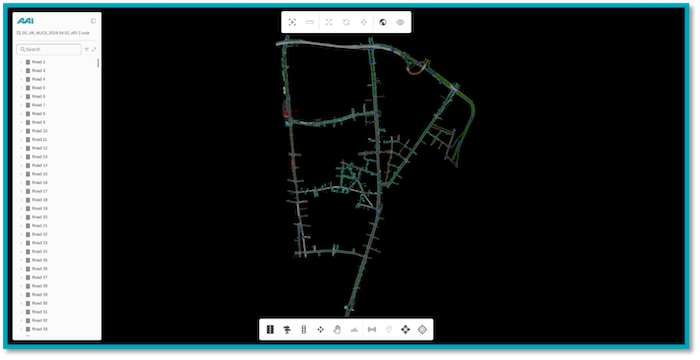
NDS.live to ASAM OpenDRIVE bidirectional converter is a Python-based tool designed to facilitate two-way conversion between NDS.live map layers and ASAM OpenDRIVE maps.
Source: NDS
The development of the NDS.Live ↔ OpenDRIVE converter began when NDS Association members identified the need for a reliable, specification-aware data translation tool to support their simulation workflows. Early work focused on enabling one-way conversion from NDS map tiles to OpenDRIVE so teams could run drive simulations with consistent map geometry, lane topology, and attributes. As simulation needs expanded, the converter evolved into a fully bidirectional tool, allowing not only real-world NDS maps to be brought into simulation environments but also enabling the reverse flow: creating specific cases or modified road configurations in OpenDRIVE and converting them back into NDS for maps testing, validation, and visualization.
Over time, the converter matured into a stable production component, now supporting modern NDS.Live and OpenDRIVE specifications, with regular updates to accommodate new scenarios, road structures, and development workflows.
The most recent converter focuses on structurally deterministic translation between OpenDRIVE road graphs and the corresponding NDS.Live data layers. It is designed to support real-world development workflows across navigation, ADAS, and automated driving.
The tool builds on the NDS Association’s expanding ecosystem of developer- and production-grade components, complementing the NDS.Live Developer Portal, MapViewer, and the Evaluation Service.
Key capabilities
1. True bidirectional conversion
2. Layer-aware NDS.Live output
3. Simulation-ready flows
4. Production-focused ergonomics
Note: Attribute coverage and schema variants depend on your chosen NDS.Live layers and OpenDRIVE version. Check the compatibility notes to match your configuration.
Compatibility
OpenDRIVE: Designed for the V1.6 ASAM OpenDRIVE specification line used by modern simulators. Review your simulator’s supported version and our profile notes to ensure best results.
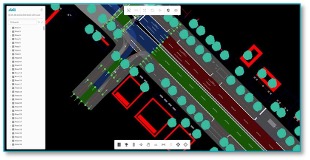
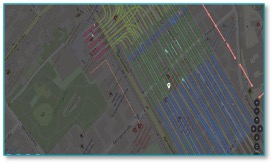
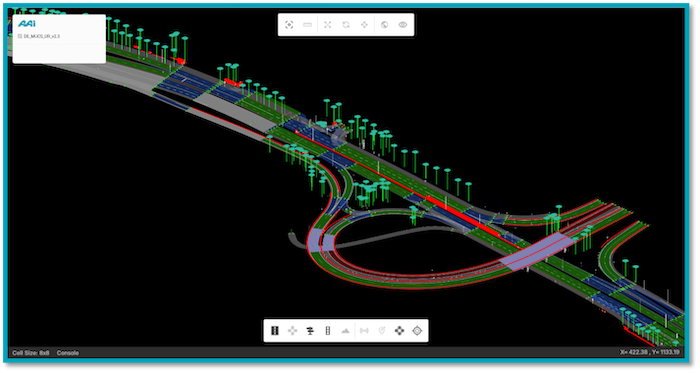
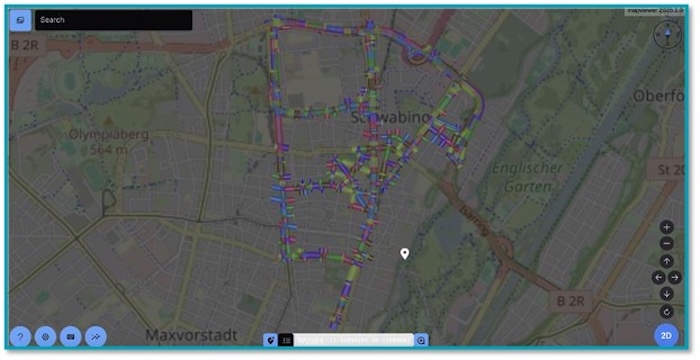
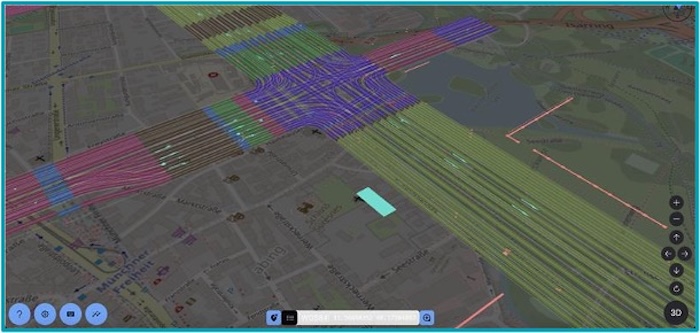
Sample of the validated NDS Maps with back conversion to NDS
Source: NDS
NDS.Live: Works with standard NDS.Live data layers and is aligned with current guidance from the NDS Association about structuring and serving data for automotive use.
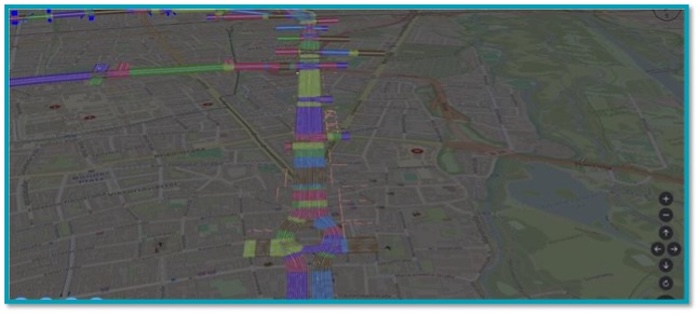
The ability to move seamlessly between simulation and production map formats is becoming essential.
With the NDS.Live-OpenDrive Converter, NDS members gain:
This tool is another milestone in the NDS Association’s mission to make NDS.Live practical, accessible, and powerful for real-world automotive development, building on the growing set of practical NDS.Live use cases. To explore more about the converter functionality and access implementation guidance, visit the NDS Developer Portal.
Back to news →